Yields are peaking, so are jobs: What gives?
A pair of new data points shows just how narrow the Fed’s path is—but investors just shrugged.
Getty Images
• 3 min read
As Winston Churchill put it, the state of the economy is a riddle wrapped in a mystery inside an enigma. Or maybe we can just call it a turducken of contradictory expectations and information. Whatever it is, it can be exhausting to follow. And yet, there’s more.
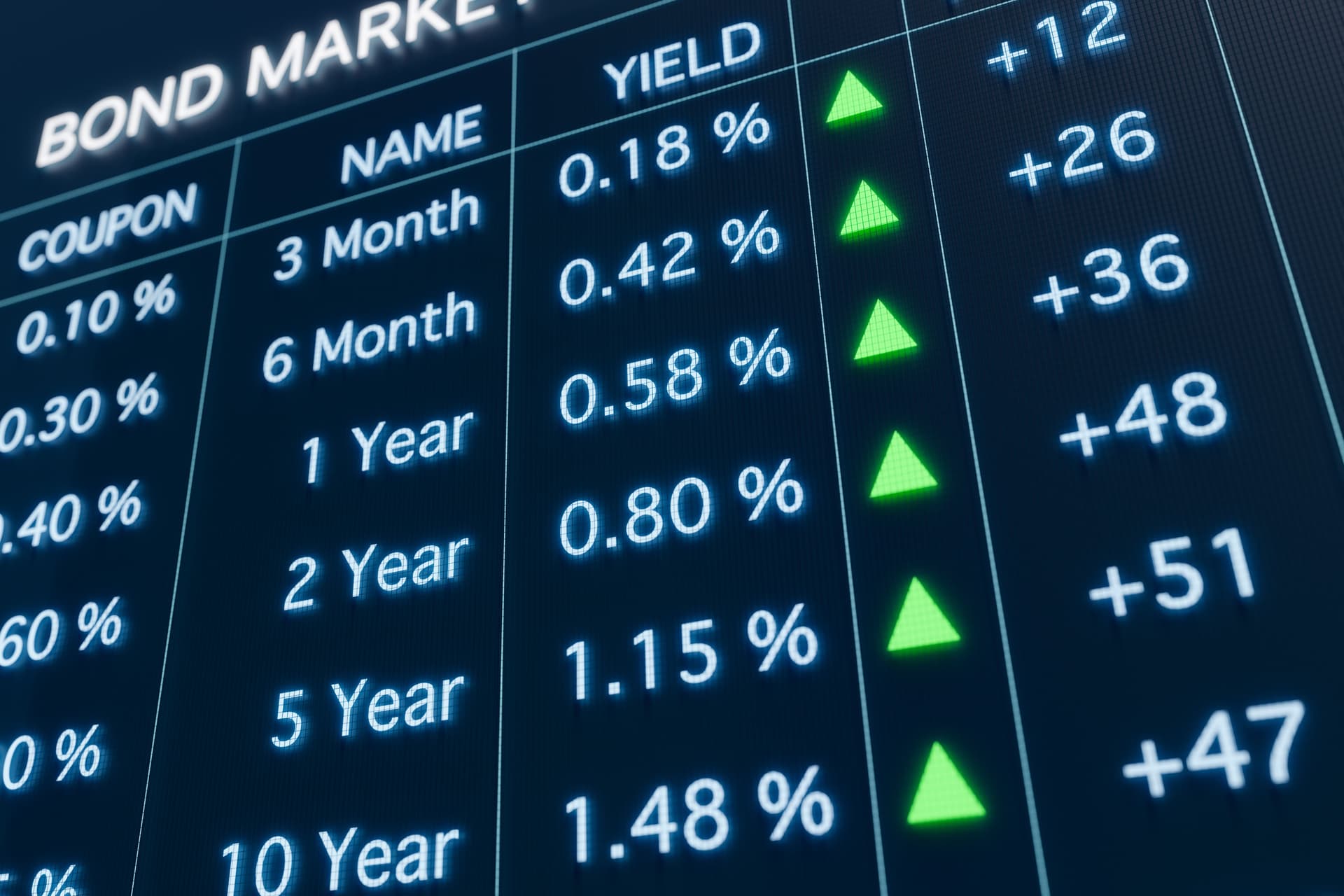
Last week, yields on 10-year Treasury notes hit a 16-year high. The causes are many, but it was a sign that the Fed’s short-term rate hikes are contributing to higher long-term rates, which comes with a pile of implications for everything from home mortgage rates to the cost of the federal government’s debt.
Then came Friday’s bombshell: Jobs numbers came in way stronger than expected, adding 336,000 jobs for September, nearly twice the expected number. So, just as inflation and previous jobs numbers were slowing, now it seems the economy’s running hotter than expected—good news for workers, bad news for those hoping for a break on interest rates from the Feds.
“Now, what’s the Fed going to do?” asked Chris Hansen, a state senator on Colorado’s influential Joint Budget Committee—which keeps close tabs on the economy—not to mention the rest of his résumé: an Oxford University doctorate in economics and a former director for IHS Markit.
“Because the expectation was that they would do maybe one more rate change, and then that would be it. But if, if we’re adding 330,300 jobs a month, then they’re going to see more data, and probably more pressure to raise rates,” Hansen said.
News built for finance pros
CFO Brew helps finance pros navigate their roles with insights into risk management, compliance, and strategy through our newsletter, virtual events, and digital guides.
By subscribing, you accept our Terms & Privacy Policy.
For months, the Fed has tried to satisfy two somewhat contradictory priorities—keeping low inflation and high employment. Those numbers often move in opposite directions, Hansen said, making it tough to maintain steady footing on both fronts.
“What I think has been remarkable is that we’ve had a pretty soft landing over the last four quarters. We’ve had robust employment growth, and inflation has dropped,” he said. But the latest pair of data points are a reminder of just how narrow that path feels.
This drumbeat of news—sometimes it feels like a free-jazz drum solo—has drawn mixed reactions from the markets. The S&P 500 initially fell on the jobs news, only to rally for its strongest day since August. Analysts think investors may have been encouraged by some of the subtler data, such as the fact that hourly earnings gains were weak—which, again, is good news if you’re hoping that the Fed eases off soon.
As José Torres, senior economist at Interactive Brokers, wrote in a note cited by CNN Business, investors decided “to focus on the positive areas within the payroll report.”
Focus on the positive? In this economy? Sure, why not?
News built for finance pros
CFO Brew helps finance pros navigate their roles with insights into risk management, compliance, and strategy through our newsletter, virtual events, and digital guides.
By subscribing, you accept our Terms & Privacy Policy.