
Dynamic pricing, done right
Consumers are fine with variable prices, as long as they see them as justified.
Francis Scialabba
• 3 min read


Don’t go chasin’ AI trends. Applying AI to the business challenges that matter most to your organization is where the real potential lies. From productivity and workforce transformation to growth and operational efficiency, learn more with PwC.
Dynamic pricing’s reputation has taken a drubbing in 2024. Headlines have decried the practice: “Welcome to pricing hell,” The Atlantic grimly stated, while Vox asserted that “Uber-style pricing is coming for everything.” In March, Wendy’s canceled plans to implement “surge pricing” on its food after consumer backlash. And, in July, the FTC began investigating a hyper-targeted type of dynamic pricing called, as the agency dubbed it, “surveillance pricing.”)
In such a climate, can companies still get away with using dynamic pricing? Arnab Sinha, co-author of the book Game Changer: How Strategic Pricing Shapes Businesses, Markets, and Society, thinks they can, as long as they do so in a way that customers perceive as fair.
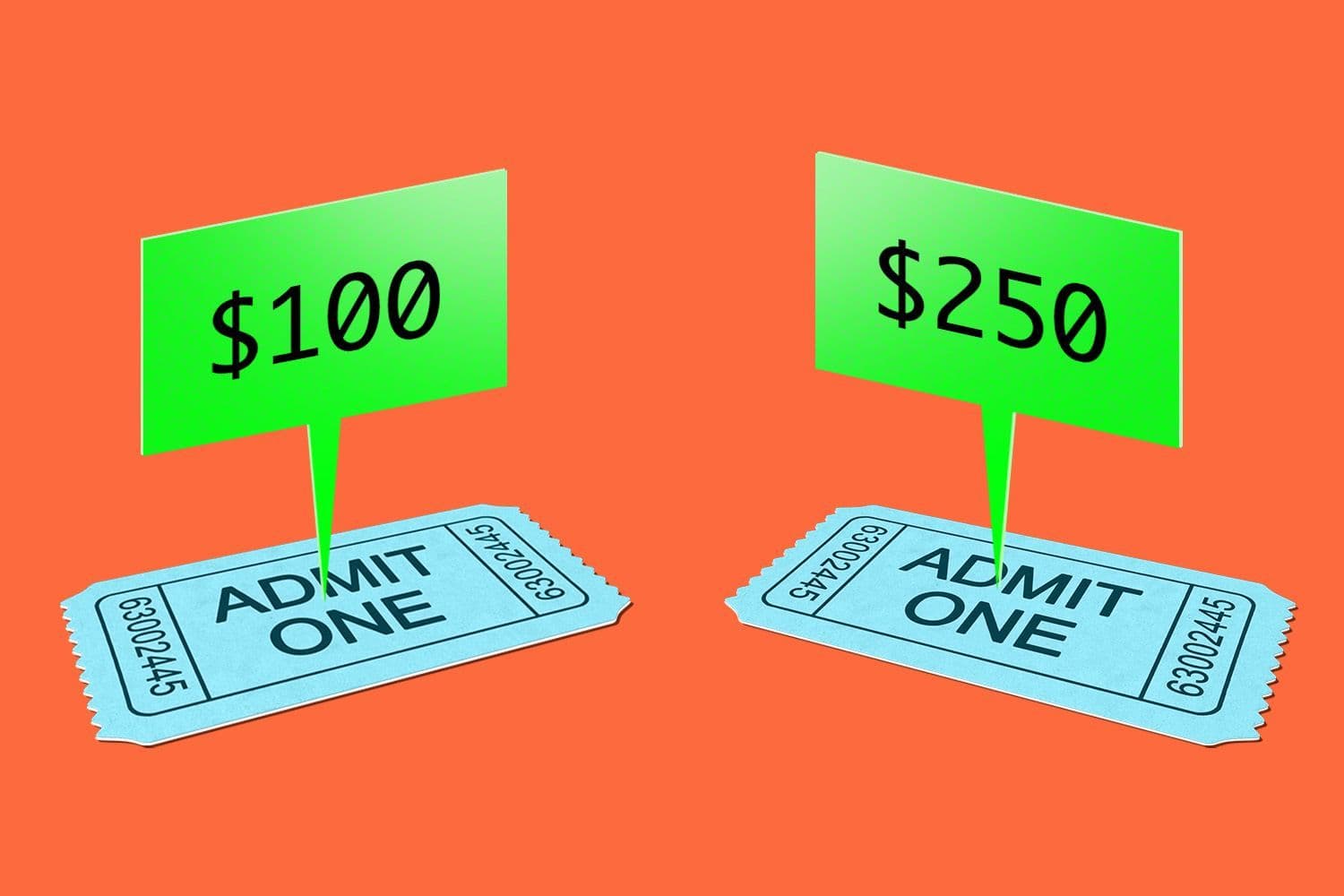
Sinha, managing director and senior partner at Boston Consulting Group, told CFO Brew that dynamic pricing works when it’s a means of sharing value with customers. Consumers will accept dynamic pricing, he said, as long as they “understand the inherent logic” behind it and agree that the rationale for it is “fundamentally fair.”
They also want there to be predictability in why prices change. For instance, he said, consumers expect to pay more for an airline ticket they book the day before a flight versus one they buy a few months out. And they also want to see prices both rise and fall and reward-specific behaviors, he added.
Explain yourself. Perceptions are key. Few customers, Sinha said, object to end-of-season sales, even though sales are technically a simple form of dynamic pricing. The difference, he said, is “a degree of scale.” Wendy’s, one surmises, may have been able to pull dynamic pricing off had the company rolled out the strategy differently: Its plan was to lower the price of menu items during low-demand times of day, something consumers might have appreciated had it been pitched to them in those terms.
But if companies only vary prices because they can, Sinha said, without offering differential value to consumers, they’ll likely find the move backfiring on them. “There will be consumer backlash,” he said, and companies won’t see “a sustainable long-term value creation edge.”
A silver lining for consumers? Dynamic pricing, Sinha argues, can even be a boon to consumers, in that it can make products and services available to a wider range of people. Companies can present “lower prices to people who want lower prices, while offering slightly less value as a trade-off,” he said, and offer more value to people willing to pay a higher price. “You go along the demand curve and you try to get both those customers,” he said.
CFOs interested in experimenting with different forms of pricing, Singha said, should “think beyond just the accounting view of price” and consider how prices and volume intersect. “Dynamic pricing,” he observes, “is all about matching supply and demand signals.” And technology, he said, is making it possible to track these signals and adjust prices accordingly. Large companies can build pricing algorithms from scratch with the help of data scientists and engineers, but even smaller companies can get in on the game, Sinha said, by using “fairly off-the-shelf pricing algorithms that can be quickly modified.”
“Changing prices more frequently, more dynamically, is a good thing,” Sinha argued. Instead of viewing price as “a given that you have no control over,” he said, CFOs should consider more flexibility in pricing, “because you can create value for you and your customer by expanding the spectrum of prices that you charge.”
About the author
Courtney Vien
Courtney Vien is a senior reporter for CFO Brew. She formerly served as editor in chief of the Journal of Accountancy.
CFO Brew helps finance pros navigate their roles with insights into risk management, compliance, and strategy through our newsletter, virtual events, and digital guides.
By subscribing, you accept our Terms & Privacy Policy.